About Us... |
Founded in August 2016, the company launched its Sustainable Waste Management Solutions, developed through Strategic Partnerships and the use of Robust, Proven, and readily Bankable Technologies.
OKL BioMass Recovery (BMR) Technology effectively separates Carbon-rich BioMass from Municipal Solid Waste (MSW) and complex Organic Waste streams, including food waste, paper, cardboard, and agricultural refuse. BMR prevents the disposal of highly polluting materials in landfills and incinerators. The resultant clean, high-quality and sterile BioMass is subsequently converted into BioProducts, such as Compost, BioFertilizer, and BioChar, in addition to BioEnergy. |
Who We Are... |
OKL brings together market leaders in key areas of waste management; precision engineering; heavy equipment manufacturing; low emission technologies and guaranteed project delivery. Dedicated experienced professionals; plant managers; process engineers and technology specialists guide clients from the initial project concept, through plant commissioning, to on-going operation and maintenance.
|
Our History... |
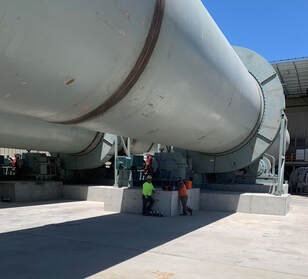
For >40 years, our Team has been directly engaged in the broad spectrum of commercial and technical facets required to successfully design, build and operate state-of-the-art BioMass Recovery Plants.
OKL partner, CITIC Heavy Industries, is world leader in heavy equipment manufacture and renowned EPC contractor in the cement industry. CITIC SUS Environment, a pioneer in low-emission Waste to Energy systems, has access to project funding. OKL has teamed up with Xact Systems, Canada, to offer a complete range of BMR Equipment. This distinctive partnership provides a variety of sustainable Net Zero solutions. Sustainable solutions that readily fulfil the requirements of nature, society and the marketplace. |